5 Min. Read
Shopping Isn't Fun Anymore
Social media has delivered a seamless shopping experience but, for Gen Z, that ease is feeling increasingly hollow.
THE SOCIAL COMMERCE PROMISE
E-commerce forever changed the way that Millennials shopped; now, social media has done the same for Gen Zs and Alphas.
In the past year, nearly half of Gen Zs have purchased directly in a social media app or platform, compared to just 38% of Millennials. The big draw is all-in-one convenience: On social apps, users can be entertained, inspired, and convert, all in one scrolling session. There are very clear benefits to this.
More than a third of Gen Zs say that, because of social media, their personal shopping experience has become easier (39%) and more convenient (38%). Gen Zs are also more likely than Millennials to feel that, because of social media, their shopping experience has become more personalised, relevant and curated, according to our research.


It sounds like a win for brands, right?! But that’s not the full story.
The integration of shopping into social media apps has quietly, yet radically, changed the experience of entertainment, retail, brands, and connection, in ways we’re only starting to understand.
“The way technology has shifted these past few years has obviously impacted how I shop,” says Akeem, 23, in New York City. “Even just thinking about all the time I spend on Instagram; swiping through stories, there’s always marketing and ads.”
Casey, 22, in Los Angeles agrees: “(TikTok) shifted from, yes, a content app, but also a shopping app. It changed the purpose of the platform.”It’s not all good.

Mindless Shopping
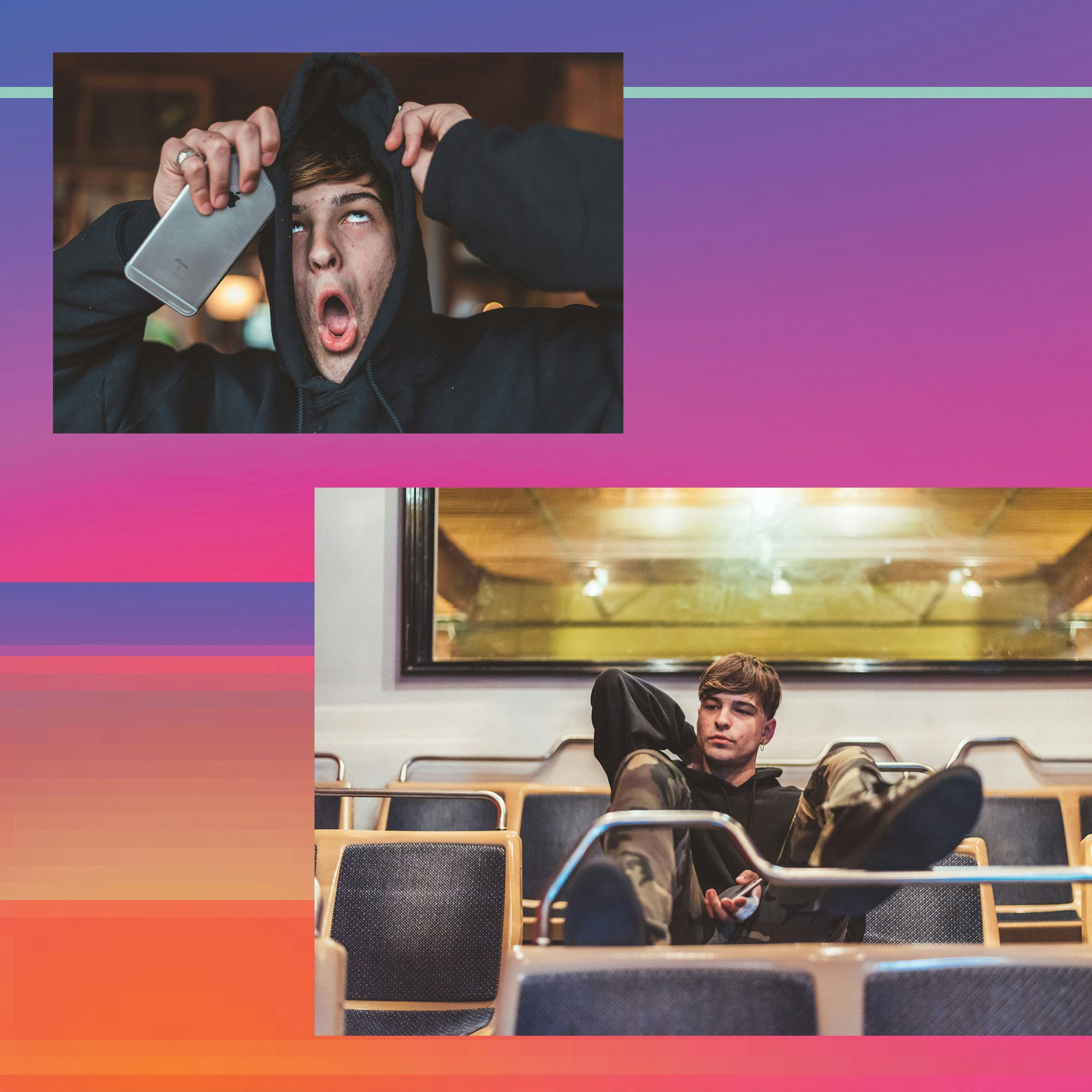
Social apps have turned shopping into something both easy — and mindless.
“(Shopping) is just something to pass the time,” says Kanika, 21, in New Brunswick, NJ. “If I’m bored in lecture, I’ll be scrolling. I don’t consider it super fun, it’s just something to dov.” She’s not alone.
Nearly a third (27%) of Gen Zs say that, because of social media, their personal shopping experience has become more “mindless,” compared with 18% of Millennials.
Gen Zs are 2X more likely than Millennials to feel that, because of the always-shoppable nature of social media, their personal shopping experience has become “less of an event.” This is in stark contrast to the role retail held in the lives of Gen Xers and elder Millennials — when retail was “therapy,” malls were hangouts, and digging through the racks was an exercise in identity formation.

Cut to today, Gen Zs say the act of shopping happens in an almost dissociative state, where scrolling and purchasing happens without conscious attention.
“Online shopping is a little bit eerie,” says Kanika, a 21-year-old college student in New Brunswick, NJ. “When I start scrolling, I can’t stop. I’ll doomscroll for hours on TikTok. I have no self-control, so I’m always shopping.” Joseph, 21, in Los Angeles says that, because of social media, his purchases center on what the algorithm serves him rather than what he needs. “When I’m shopping on social media, what I find finds me; I don’t find it.” Looking around his room, he points out dozens of products that he purchased after they “found him” on social media: “Found me, found me, found me, found me, found me, found me…”

Researchers at the University of Washington found that, while social media usage is typically framed as ‘addiction,’ it’s really more akin to what they call ‘everyday dissociation.’
As evidence, they point to the way social media users tend to feel spaced out while going deeper and deeper down a content hole, only realizing in hindsight how completely absorbed they’d been. 51% of Gen Zs say that, with shopping integrated into social platforms, they now make more in-app purchases without ever clicking out of the social media platform. The intent of checking a notification or text message becomes a lost hour of scrolling — and shopping — with little self-awareness or self-control.
Shopping Enters Its Doom Era
With consumers becoming increasingly aware of their own “eerie” purchasing behavior, shopping — and brands — are getting an increasingly bad rep. Social commerce reoriented the way brands reach young consumers more than anything since the first dawn of e‑commerce. Now, is social commerce a bubble that’s about to burst?
Over the last 18 months, since our research on how Gen Z broke the marketing funnel published, the world has changed dramatically. The socioeconomic and cultural landscape has shifted profoundly, impacting Zs perhaps more than any other demo. Amidst an economic slowdown, global tumult, and Trump’s tariffs, the youth unemployment rate in the U.S. has risen to 10.5%, the highest since 2016. Young people globally face a so-called “job-pocalypse,” as businesses invest in A.I. rather than entry-level workers. And the cost of housing, and daily essentials, are at an all time high. Zs see the traditional American Dream — the house, career, kids, and white picket fence — slipping from their grasp. At the same time, social media presents a steady stream of aspirational lifestyle content prompting them to keep up with the Kardashians. With that as the backdrop, individuals under the age of 33 account for half of the users of ‘Buy Now, Pay Later’ apps (such as Afterpay, Affirm, and Klarna), an industry that’s exploded to $120 billion in purchases in 2023 in the U.S. alone, up from just $2 billion in 2019.

Gen Zs are in a financial pressure cooker at the very same time that digital algorithms are optimized to get them to zone out and buy, against their better judgement.
“I buy one thing and I’m like, ‘Oh, wait! I need that. I need that,’” says Joseph, 21. “If I’m shopping for one thing — and then it tells you that if you get to a certain amount in your cart you get free shipping — pretty soon $10 turned to $100. I’m like, ‘How did that happen?’” According to our research, nearly half (48%) of Gen Zs feel that, because of social media, they now purchase more products that they don’t like or use.

This perfect storm has Zs spending (and borrowing) well beyond their means, according to our research.
Writer Sherry Ning calls this overconsumption spiral a “spiritual problem,” writing on her Substack, “Your appetite for novelty and your fear of missing out sucks the joy out of you — the more you eat, the hungrier you are. The more you spend, the more vapid you feel.” Tech critic Cory Doctorow argues that social media platforms now intentionally mix AI-generated slop with e‑commerce features, creating a user experience that he undiplomatically calls “a giant pile of shit.”

Regardless of where the fault lies, the reality is that Gen Z’s prime source for shopping — social media — is ground zero for habits that are financially and emotionally unhealthy. Gen Zs are more likely than millennials to say they engage in shopping ‘vices’, which leave them feeling bad about themselves and the brands they’re buying.
Every CMO should be keeping a close eye on this rising negative sentiment among consumers. The brand associations Gen Zs create while mindlessly scrolling could last a lifetime.
The Deadly Sins of Shopping
Brands, take note: While it might pay off in the short-term to have repeat shoppers on social media, Gen Zs that purchase directly from social media platforms index higher in negative feelings associated with shopping than those that don’t shop via social media. A full 70% of Zs that shop on social media say they feel guilty immediately after making a purchase, and that they buy products they don’t need.

Brands’ Emotional Recession
Beyond draining their spirits and wallets, the emotional pay-off of shopping has dulled.
According to the Gen Zs we spoke with, much-coveted brands and products quickly turn disappointing when it becomes clear that everyone has discovered the same thing. As Katie, 22, in Orlando says, everyone is being served the same trends via their algorithms, whether it’s ballet flats, yellow Onitsuka Tiger sneakers, or Sandy Liang bows. “There’s no actual sense of personal style,” she tells us. “You have to get the new trend, even if it’s not something you like. It’s just how fast you’re seeing it — and the more you interact with it, the more it pops up.”

“I hate it,” agrees Akeem, 23. “Everyone’s individuality gets pretty clouded, including what we do and how we express ourselves. Like when a TikTok goes viral, this girl’s pants are really cute, right? And everyone’s like, ‘Oh, my God! Like, where is it from?’ And then you go to clicking. And now, it’s a trend everyone has.” According to Akeem, algorithmically derived “TikTok style” has replaced personal style. This is especially disappointing for a generation trying to stand out from the crowd: 72% of Zs say they’d rather have a personal style that’s completely unique rather than on-trend.
Shopping’s current lack of dopamine has some very real economic ramifications. While Gen Z’s holiday spending surpassed low expectations, they were more intentional with how they spend their money, with nearly 80% prioritizing sales, according to PwC. At a moment where inflation meets disillusionment, brands and retailers that find a way to reconnect emotionally — and make shopping fun again — will rebound with next-gen audiences.

What It Means For Brands
Empower individuality and self-expression to fight algorithmic sameness. Shopping is foundational to self-discovery and self-expression. But today, it often feels like algorithmic recommendations replace personal choice. Highlight unique product combinations, encourage user creativity, and celebrate diverse creators who buck trends. Helping Gen Zs tap into their internal compass — so they can develop their own style and taste rather than just follow trends — will strengthen brand loyalty.
Address Gen Z’s economic realities head on. Today’s young consumers will likely need to navigate economic headwinds for the rest of their lives. Promoting impulse buys,FOMO, and buy-now-pay-later services may temporarily drive sales, but the runway for these tactics is running out. Brands that encourage thoughtful purchasing decisions, offer accessible self-expression, and operate transparently will build stronger long-term trust with Gen Z.
Sell the emotional rewards of shopping, not just products. Brands that drench shopping in dopamine will cut through the sea of sameness, and keep Zs coming back. The goal today is to trigger emotion, not just conversion. Gamify experiences, curate playful content, and bring back delight to make the act of shopping memorable.